Skip to content
100% Renewable Energy

100% Renewable Energy.
Zero Fossil Fuels.

The transition to a clean energy future is no longer a distant goal for Hawai’i.

It is an immediate economic and environmental necessity. While some advocate for Liquefied Natural Gas (LNG) as a “bridge,” doubling down on fossil fuel infrastructure is a dangerous detour. The path forward lies in bold, local innovation. By accelerating our shift to 100% renewable energy, we can decouple our economy from the unpredictable costs of foreign oil and gas, building a grid that is inherently more resilient and affordable for every household.

To ensure our energy independence, we must address the following critical realities:

  • Avoiding Stranded Assets: Investing in LNG creates massive infrastructure costs that local customers will be forced to pay off for decades, even as the technology becomes obsolete.
  • Prioritizing Local Solutions: A billion-dollar commitment to imported gas crowds out the capital needed for cheaper, permanent, and locally produced energy solutions.
  • The Kaua’i Success Model: Kaua’i Island Utility Cooperative has already proven that a high-renewable grid is both more reliable and delivers lower costs than fossil fuel alternatives.
  • Breaking the Permitting Bottleneck: The primary barrier to a clean grid isn’t the reliability of renewables, but the administrative delays in permitting and interconnection that stall ready-to-go projects.
  • Escaping Volatile Economics: LNG locks Hawai’i into “yesterday’s economics,” tethering our utility bills to global fuel markets rather than the declining costs of solar, wind, and storage.
  • Betting on Innovation over Inertia: Proponents of gas are betting that fuel prices will stay low while clean technology stands still, a losing wager in a rapidly decarbonizing world.
  • Upholding Our Global Leadership: As a global proof point for climate action, any “backsliding” by Hawai’i toward new fossil fuels undermines international progress and our commitment to a sustainable future.

The path to a clean grid is already being shaped by local successes and economic pressures. As these strategies face global challenges and shifting policies, the focus remains on building a resilient system that prioritizes long-term stability over short-term fixes.

Recent developments in the fight for clean energy

Spreadsheet error inflated benefits of LNG by up to $1.2 billion, expert says

March 19, 2026 — The transition to a 100% renewable future requires decisions grounded in rigorous data, yet recent revelations cast a shadow over Hawaii’s proposed shift to liquefied natural gas. An independent analysis recently uncovered a $1.2 billion spreadsheet error in the state’s primary LNG study, effectively erasing the fuel’s projected economic benefits. As Hawaii evaluates the JERA power plant proposal, we must prioritize transparent, accurate modeling that favors genuine clean energy over costly, volatile fossil fuel infrastructure.
Learn More

Controversy Engulfs HECO’s Proposed $1 Billion Power Plant
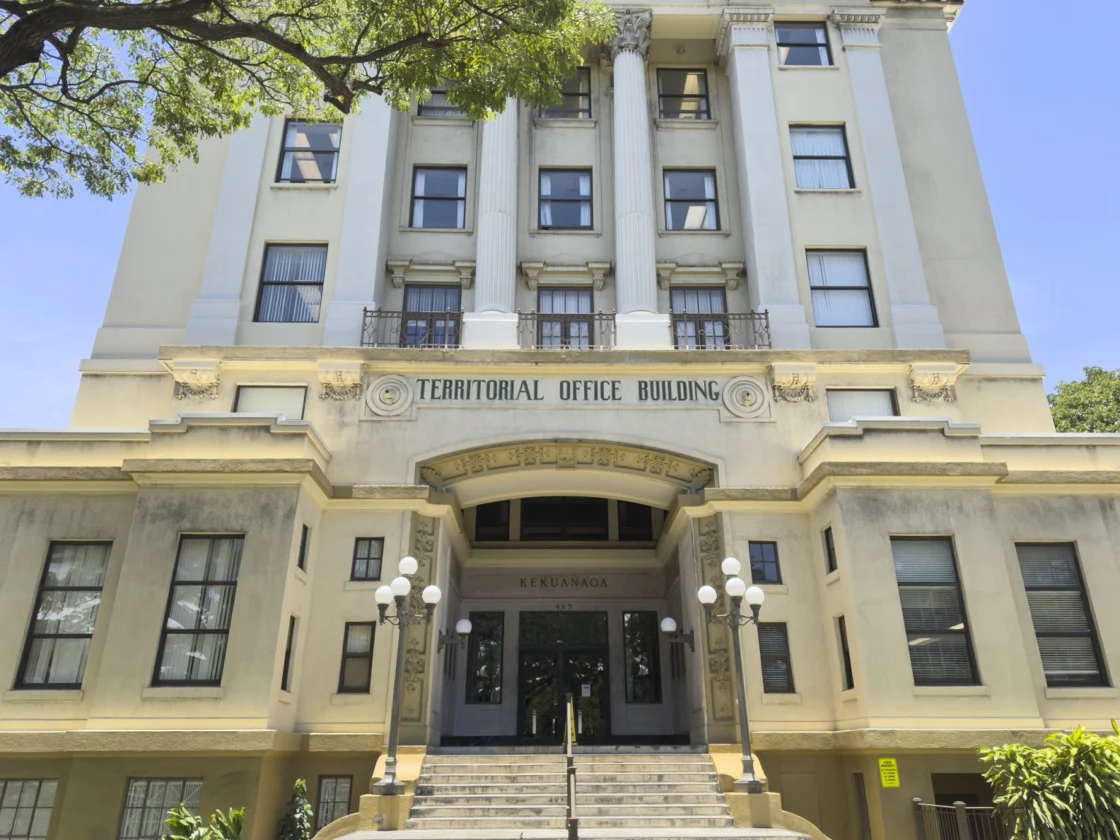
March 13, 2026 — A fierce debate has emerged over Hawaiian Electric’s proposed $1.15 billion upgrade to the Waiau power plant. While HECO argues the project is essential for Oʻahu’s grid reliability, the State Energy Office has requested a delay to consider cheaper alternatives, including a potential natural gas partnership with JERA Americas. Critics highlight a possible $1.2 billion accounting error regarding transition fuels, further complicating Hawaiʻi’s path toward its 2045 renewable energy mandate.
Learn More

Billion-Dollar Math Error Blows Up Green Administration’s Fossil Gas Import Plan
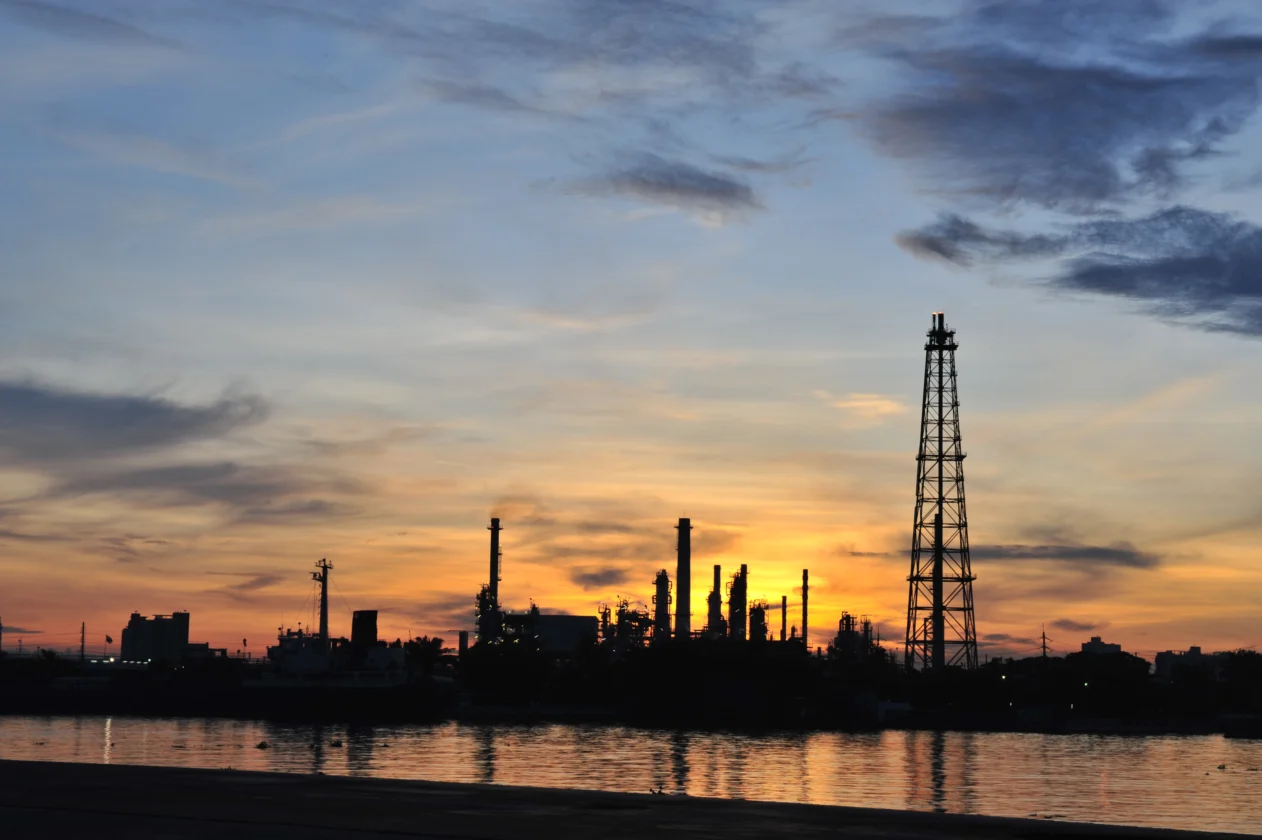
March 12, 2026 — A legislative briefing recently revealed a billion-dollar math error in the Green administration’s study supporting liquefied natural gas (LNG) imports. The Hawaiʻi State Energy Office report neglected to include nearly $900 million in fuel costs, falsely claiming consumer savings. Correcting this oversight shows that the plan actually increases costs by hundreds of millions. Clean energy advocates are now calling for a refocus on local renewable resources to meet climate mandates and protect ratepayers.
Learn More

State Supreme Court hears oral arguments in youth challenge to Alaska LNG Project
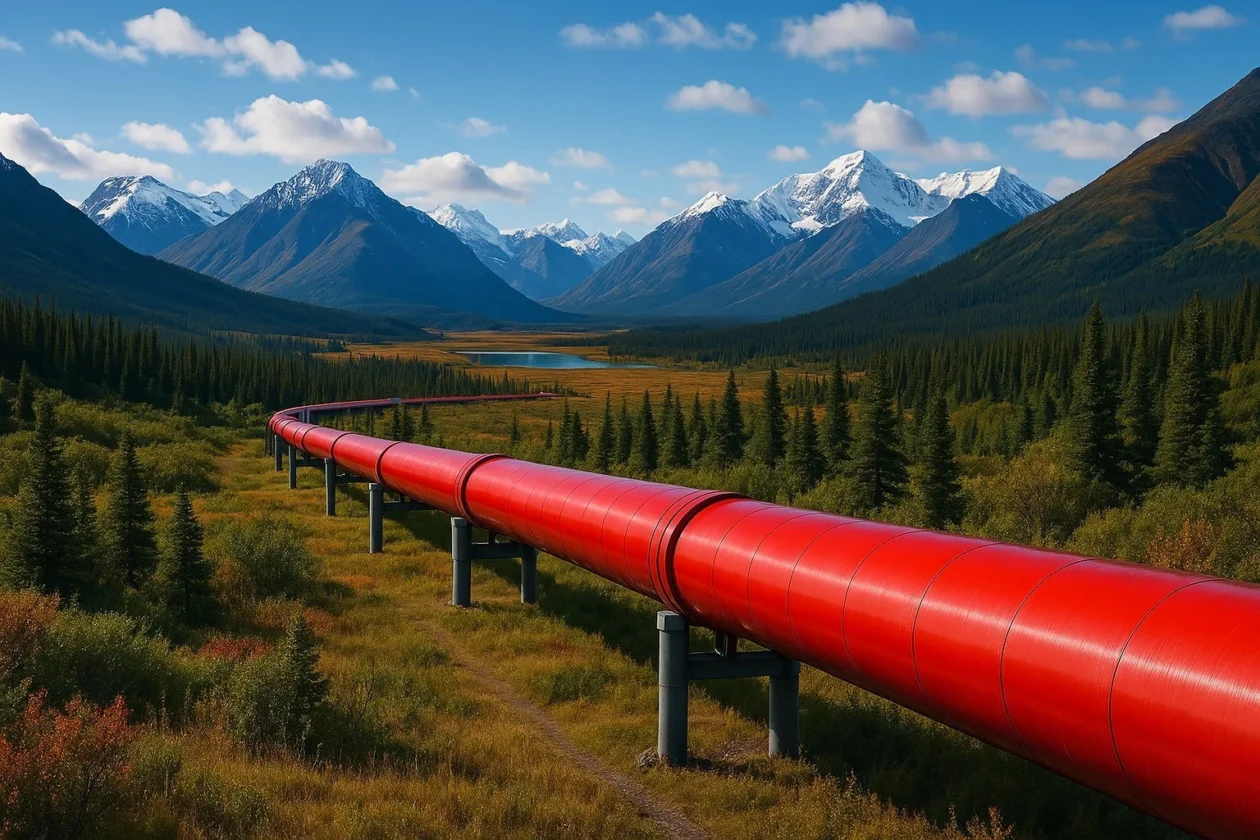
March 11, 2026  — Youth plaintiffs in Sagoonick v. State of Alaska II recently presented oral arguments before the Alaska Supreme Court, challenging the $44 billion Alaska LNG Project. The lawsuit argues that the state-mandated fossil fuel expansion violates constitutional rights to a livable climate. While the court weighs dismissal, lead developer Glenfarne Group continues advancing the 800-mile pipeline, highlighting the intensifying legal and environmental tension surrounding Alaska’s energy future.
Learn More

Iran War Triggers Global LNG Supply Crunch Crisis
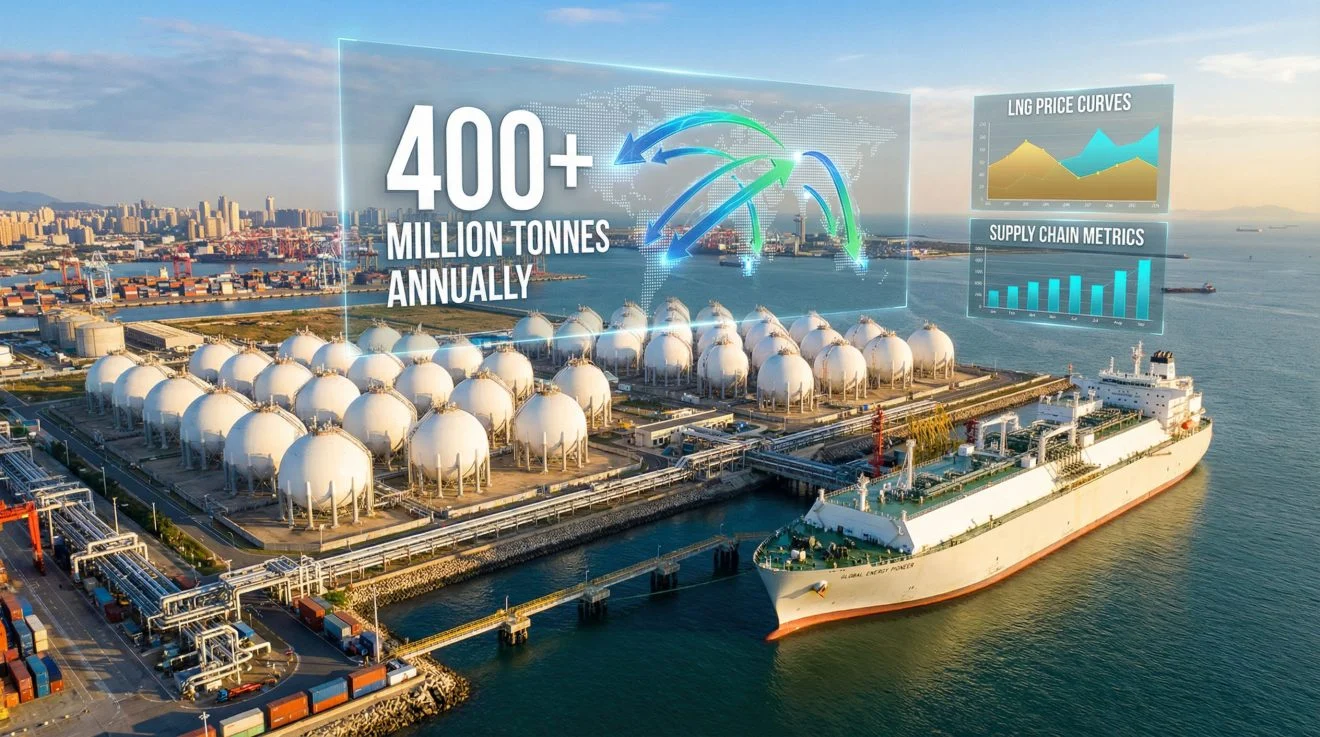
March 4, 2026 — Global energy markets are facing a severe supply crisis as conflict in the Middle East disrupts critical liquefied natural gas routes. Geographic chokepoints, particularly the Strait of Hormuz, have seen shipping traffic plummet, causing Northwest Europe and Asia prices to surge by over 60%. This volatility threatens industrial sectors like fertilizer and petrochemicals, which rely heavily on imports. Diversifying supply and investing in resilient infrastructure are now essential to ensuring long-term global energy security.
Learn More

Empowered Hawaiʻi: Kaua'i Lights the Way
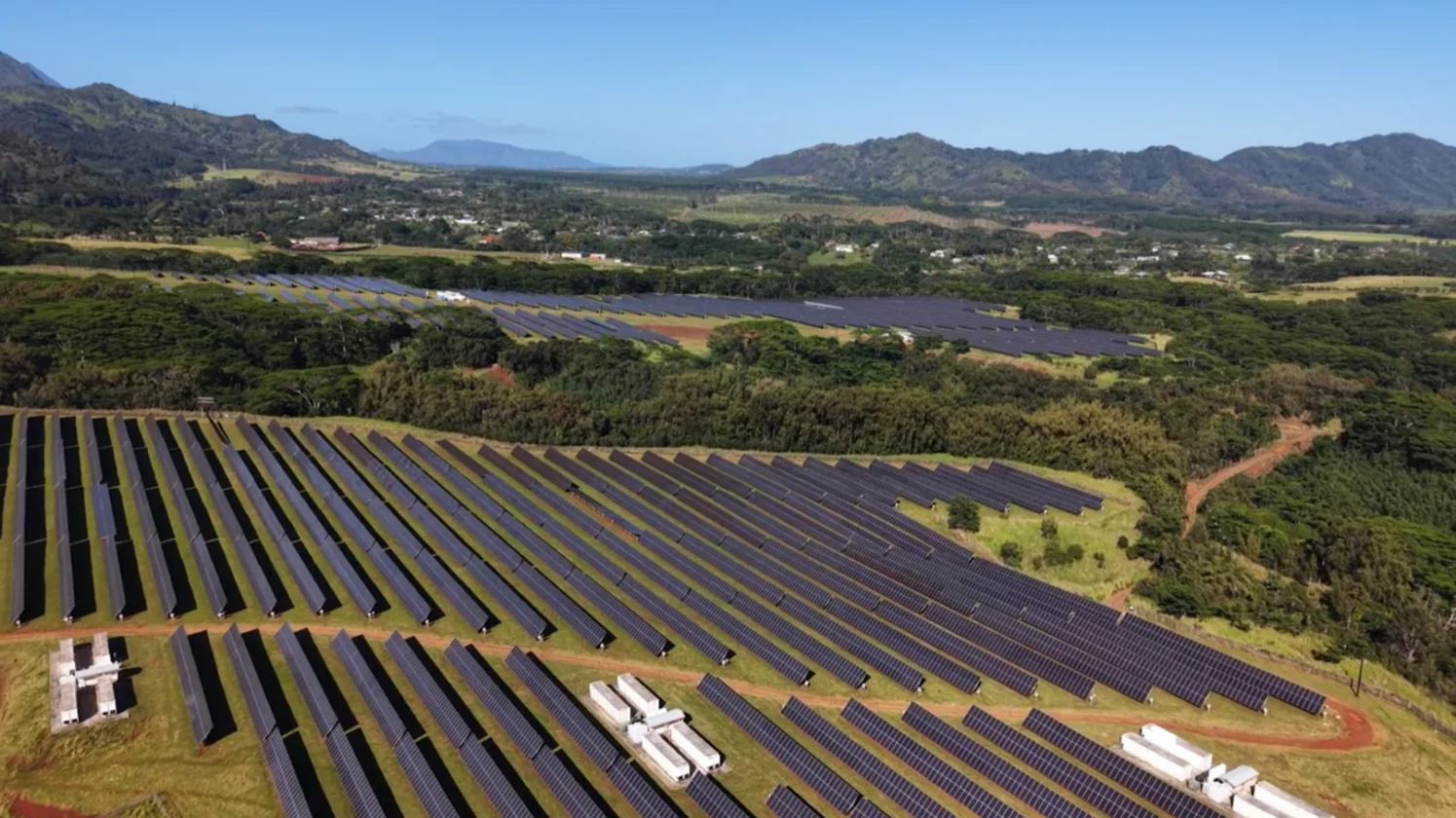
February 25, 2026 — Kaua’i is proving that a 100% renewable grid is a reality, not just a goal. The Kaua’i Island Utility Cooperative and AES have transitioned from brief tests to powering the island entirely on clean energy for up to six hours. Through innovations like DC-coupled battery storage and agrivoltaics, Kaua’i offers a global blueprint for reliable, independent power.
Learn More

Henk Rogers Shares Why Hawaiʻi’s Clean Energy Future Is Already Taking Shape

February 16, 2026 — In a recent Living 808 appearance, Blue Planet Foundation founder Henk Rogers emphasized that Hawaiʻi’s 100% renewable goal is at risk. House Bill 1568 threatens progress by favoring Liquefied Natural Gas (LNG) over a necessary fossil fuel ban. Rogers warns that LNG infrastructure creates financial risks for ratepayers and contradicts climate goals. With Kaua’i already achieving record-low rates through green energy, the focus must remain on local, clean alternatives to ensure a sustainable future.
Learn More

What's driving up Maine's energy bills? Natural gas.
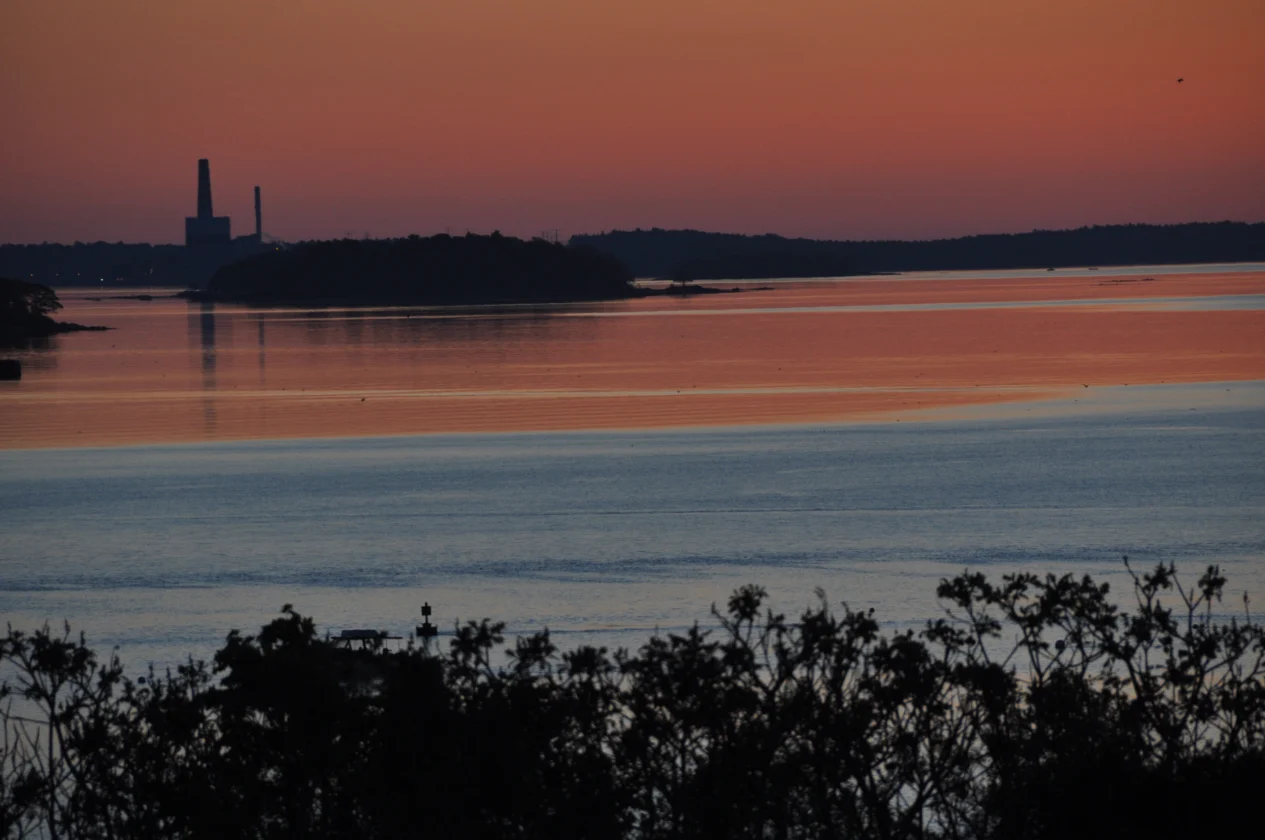
February 6, 2026 — A new report from the Maine Governor’s Energy Office identifies volatile natural gas prices as the primary driver behind soaring electricity costs, rather than renewable energy sources. This volatility is expected to worsen as the U.S. expands liquefied natural gas export capacity, which increases global competition and drives up domestic prices. To protect consumers from these fossil fuel market shocks, the report recommends accelerating clean energy development and prioritizing the electrification of home heating.
Learn More